
Want to Use a Brand Name for Your Dental Corporation. You likely need a Fictitious Name Permit first.
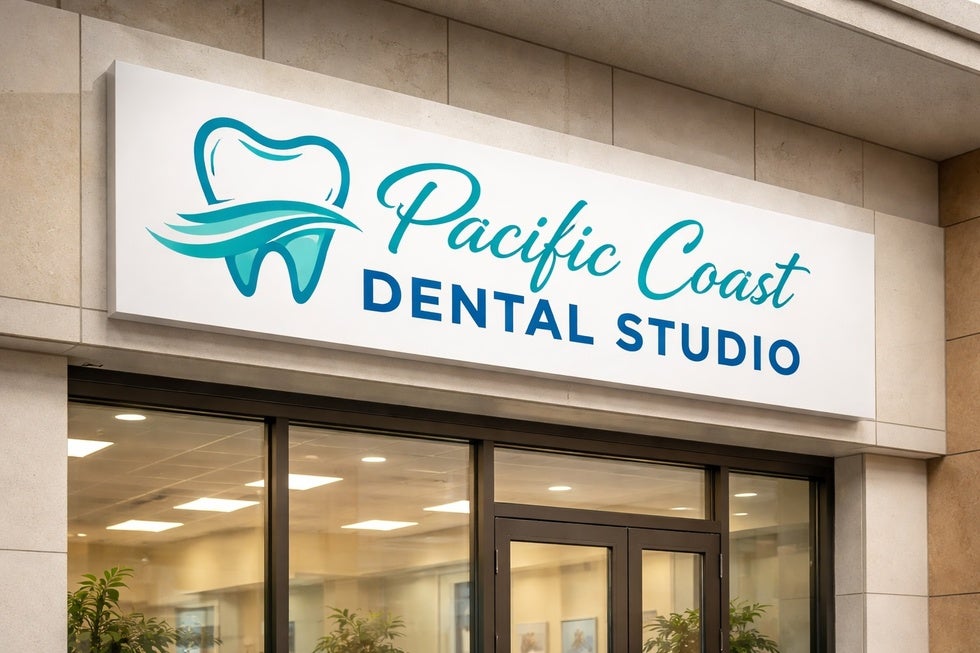
Many dentists prefer to market their practices under a brand name rather than their personal name. Names like Pacific Coast Dental Studio or Advanced Smile Center can feel more modern and marketable than a traditional name such as Smith Dental Corporation.
However, in California, dentists cannot simply choose any brand-style practice name and begin using it. If the name does not include the dentist's surname, the practice will generally need to obtain a Fictitious Name Permit from the Dental Board of California before using that name publicly.
What Is a Fictitious Name Permit?
A fictitious name permit allows a dentist or dental corporation to operate under a trade name that does not include the dentist's personal name.
Under the Dental Practice Act, the Dental Board regulates the use of fictitious names to ensure that practice names are not false, misleading, or deceptive to the public. The Board reviews proposed names to determine whether the name accurately reflects the nature of the dental services being offered.
Without this permit, dentists are generally limited to practice names that include the name or surname of one or more dentist owners.
Examples of Names That Typically Require a Permit
The following types of practice names usually require a fictitious name permit from the Dental Board:
-
Pacific Coast Dental Studio
-
Advanced Smile Center
-
Golden State Cosmetic Dentistry
-
Premier Dental Care
-
Bright Smile Institute
These names do not identify a specific dentist owner and therefore require approval before they can be used.
Why the Dental Board Reviews Practice Names
The Dental Board's goal is to protect patients from misleading representations about a dental practice. When reviewing a fictitious name application, the Board evaluates whether the name might:
-
Suggest specialty credentials that the dentist does not hold
-
Imply institutional or academic affiliations
-
Mislead patients about the scope of services offered
-
Create confusion about the ownership or structure of the practice
For example, names that imply specialty training—such as Orthodontic Institute or Oral Surgery Center—may be scrutinized if the dentist is not a board-certified specialist in that field.
Corporate Name vs. Fictitious Practice Name
It is important to understand that the fictitious name permit does not replace the legal corporate name of the practice.
A dental practice often has two separate names:
1. The Legal Corporate Name
This is the name filed with the California Secretary of State, such as:
-
Maria Lopez Dental Corporation
-
Smith & Patel, DDS, A Professional Corporation
This name must comply with the Professional Corporation Act and corporate filing requirements.
2. The Fictitious Practice Name
This is the brand name used for marketing, signage, and patient communications, such as:
-
Pacific Coast Dental Studio
-
Bright Smile Center
This name requires approval from the Dental Board of California if it does not include the dentist's surname.
When a Fictitious Name Permit Is Required
A permit is generally required when:
-
The practice name does not include the dentist's name
-
The practice uses a brand-style or marketing name
-
The name could imply services, credentials, or affiliations
Once approved, the fictitious name permit allows the practice to use the name in:
-
advertising
-
signage
-
websites
-
marketing materials
Why Dentists Should Plan for This Early
Because the Dental Board must review and approve fictitious names, dentists should factor this step into the practice formation timeline.
Waiting until the last minute can delay:
-
signage installation
-
website launches
-
marketing campaigns
Planning ahead helps ensure the name you want to use is both compliant and approved before the practice opens.
Final Thoughts
Choosing a name for your dental practice in California is not purely a branding decision. If you plan to operate under a name that does not include the dentist's surname, you will likely need a fictitious name permit from the Dental Board of California.
Understanding this requirement early in the formation process can prevent delays and help ensure that your practice name complies with California's dental advertising rules.

Comments
There are no comments for this post. Be the first and Add your Comment below.
Leave a Comment